
Dental Implants vs Dentures in Greenville, NC
Which Is the Better Long-Term Solution?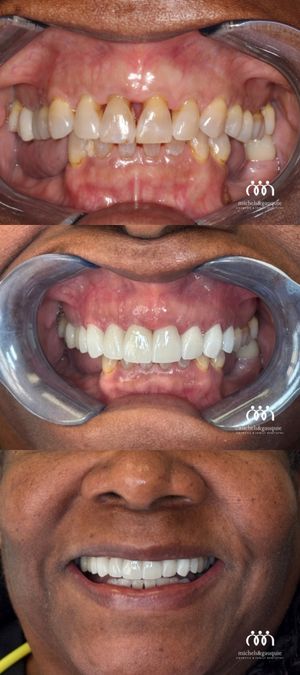
When patients are faced with missing teeth, one of the most common questions is whether dental implants or dentures are the better option. Both treatments are designed to restore the appearance of the smile and improve function. However, they differ significantly in how they perform over time.
Because this decision can affect comfort, confidence, and long-term oral health, it is important to understand how each option compares.
At Michels & Gauquie Cosmetic & Family Dentistry in Greenville, NC, patients from Greenville, Winterville, Ayden, Farmville, and throughout Pitt County often explore both options before making a decision. This guide compares dental implants and dentures based on stability, longevity, comfort, and cost so patients can make an informed choice.
Understanding the Basics
Before comparing the two, it helps to understand how each option works.
What Are Dental Implants?
Dental implants are designed to replace both the tooth and its root. A small titanium post is placed in the jawbone, where it integrates with the bone over time. Once healed, a custom restoration such as a crown, bridge, or full arch is attached.
Because of this design, implants function very similarly to natural teeth.
What Are Dentures?
Dentures are removable appliances designed to replace multiple missing teeth. They rest on the gums and are typically supported by suction or adhesives.
While dentures can restore the appearance of a smile, they do not replace the underlying tooth roots.
Stability: How Secure Is Each Option?
One of the most noticeable differences between dental implants and dentures is stability.
Dentures and Stability
Traditional dentures sit on top of the gums. Although modern dentures are more advanced than those used decades ago, they can still shift or move during everyday activities.
As a result, some patients experience:
- Movement while speaking
- Difficulty chewing certain foods
- Occasional discomfort from shifting
Because dentures rely on the shape of the gums for support, changes in the jaw over time can affect how well they fit.
Dental Implants and Stability
Dental implants are anchored directly into the jawbone. Because of this, they provide a stable and secure foundation for replacement teeth.
Patients often notice that implants:
- remain firmly in place
• allow more natural chewing
• provide confidence when speaking
This stability is one of the primary reasons many patients prefer implants over dentures.
Longevity: What Lasts Longer?
When evaluating long-term solutions, durability is an important factor.
Denture Longevity
Dentures typically need to be adjusted, relined, or replaced over time. As the jawbone changes, dentures may become less stable and require modifications.
On average, dentures may need replacement every 5 to 10 years, depending on wear and changes in the mouth.
Implant Longevity
Dental implants are designed for long-term durability. With proper care and regular dental visits, implants can last many years and often decades.
Because implants integrate with the jawbone, they provide a foundation that does not shift or change in the same way dentures can.
While the restoration attached to the implant may eventually need maintenance, the implant itself is designed to remain stable long-term.
Comfort: Everyday Experience
Comfort is another key factor when comparing implants and dentures.
Living with Dentures
Dentures can feel bulky at first, especially for new wearers. Over time, most patients adjust to the feel of dentures. However, some challenges may remain.
These can include:
- Pressure on the gums
- Sore spots from movement
- The need for adhesives
- Awareness of the denture during daily activities
Because dentures rest on soft tissue, they may not feel as natural as fixed solutions.
Living with Dental Implants
Dental implants are often described as feeling more like natural teeth. Because they are anchored in the jawbone, they do not move or shift.
Patients frequently report:
- Improved comfort while eating
- Less awareness of the restoration
- A more natural feel overall
As a result, implants often provide a more seamless experience in daily life.
Cost: Upfront vs Long-Term Value
Cost is one of the most common concerns when comparing implants and dentures.
Initial Cost of Dentures
Dentures typically have a lower upfront cost. This makes them an appealing option for patients looking for a more immediate solution.
However, it is important to consider ongoing costs such as:
- Adjustments
- Relining
- Replacement over time
Initial Cost of Dental Implants
Dental implants generally have a higher upfront cost compared to dentures. This is because they involve surgical placement, advanced planning, and custom restorations.
However, implants are designed to last significantly longer.
Long-Term Cost Consideration
When viewed over time, the cost difference between implants and dentures may become less significant.
Dentures often require ongoing maintenance and eventual replacement. Implants, on the other hand, are designed for long-term stability.
Because of this, many patients view implants as a long-term investment in their oral health and quality of life.
Bone Health and Facial Structure
One of the most important differences between implants and dentures is how they affect the jawbone.
Dentures and Bone Loss
When teeth are missing, the jawbone no longer receives stimulation from tooth roots. Over time, this can lead to bone loss.
Dentures do not replace this stimulation. As a result, the jaw may gradually shrink, which can affect facial structure and denture fit.
Implants and Bone Preservation
Dental implants function like natural tooth roots. Because of this, they help stimulate the jawbone and maintain its structure.
This can help preserve:
- Bone density
- Facial shape
- Long-term oral health
For many patients, this is a key advantage of choosing implants.
Daily Maintenance and Care
Both implants and dentures require care, but the routines differ.
Caring for Dentures
Dentures must be removed daily for cleaning. In addition, they are often soaked overnight and handled carefully to avoid damage.
Caring for Dental Implants
Dental implants are maintained much like natural teeth. Regular brushing, flossing, and dental visits help keep the implant and surrounding tissue healthy.
Because implants are fixed in place, they do not require removal or adhesives.
Which Option Is Right for You?
Choosing between dental implants and dentures depends on several factors, including:
- Overall oral health
- Bone structure
- Treatment goals
- Personal preferences
- Budget considerations
While dentures may be appropriate for some patients, others may prefer the long-term benefits of dental implants.
In many cases, implant-supported dentures may also provide a combination of stability and affordability.
Dental Implants vs Dentures in Greenville, NC
At Michels & Gauquie Cosmetic & Family Dentistry in Greenville, patients receive personalized recommendations based on their individual needs.
The goal is always to provide clear information so patients can make confident decisions about their care.
Patients from Winterville, Ayden, Farmville, and throughout Pitt County often explore both options before choosing the solution that best fits their lifestyle.
Final Thoughts: Long-Term Perspective
When comparing dental implants and dentures, it is important to look beyond the immediate solution and consider long-term outcomes.
Dentures can restore appearance and function in the short term. However, dental implants provide stability, durability, and bone support that more closely resemble natural teeth.
Because of these advantages, many patients who are looking for a long-term solution ultimately choose dental implants.
If you are considering your options, a consultation is the best way to evaluate your needs and explore what solution may be right for you.


